
Expert Picks For Outdoor Shed Installation Supplies To Improve Your Project
Learn about high-quality materials and tools selected by experts to help you achieve a professional-looking shed.
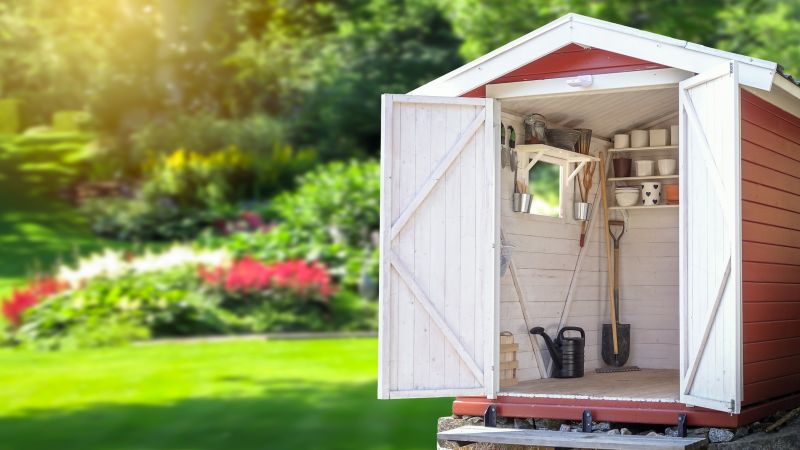 Selecting the appropriate products for outdoor shed installations involves understanding the various components that contribute to a durable and functional structure. From foundational supports to roofing materials, each element plays a vital role in ensuring the longevity and usability of your shed. Properly chosen products can help facilitate a smooth assembly process and result in a sturdy storage solution tailored to your specific needs. Considering factors such as climate, shed size, and intended use can guide you toward the best options for your project.
Top Overall Option
Heavy-Duty Foundation Support System
A versatile foundation support system designed to provide a stable base for outdoor sheds. It typically includes adjustable supports, durable base plates, and anchoring hardware that can adapt to various ground conditions, ensuring a level and secure foundation. This type of product is essential for preventing shifting and settling, contributing to the longevity of your shed structure.
Types of Products For Outdoor Shed Installations
Concrete Foundation Blocks
Precast blocks used to create a stable and level base for shed structures, promoting proper drainage and stability.
Pressure-Treated Lumber
Wood treated to resist rot and insects, ideal for framing and support structures in outdoor environments.
Galvanized Steel Supports
Corrosion-resistant steel components used for framing and reinforcement, ensuring durability over time.
Gravel and Crushed Stone
Drainage-enhancing materials used as a base layer to prevent moisture buildup beneath the shed.
Weather-Resistant Siding Panels
Materials such as vinyl or fiber cement panels that protect the shed from weather exposure.
Asphalt Shingles
Common roofing material providing weather resistance and ease of installation for shed roofs.
Metal Roofing Panels
Durable and long-lasting roofing option that offers excellent protection against the elements.
Door Hardware and Locks
Secure locking mechanisms and hardware to ensure safety and ease of access.
Ventilation Kits
Products designed to promote airflow within the shed, reducing moisture buildup and maintaining a dry environment.
Fasteners and Anchors
High-quality screws, nails, and anchors essential for secure assembly and stability.
Sealants and Weatherproofing
Products used to seal joints and edges, preventing water infiltration and enhancing durability.
Brackets and Support Straps
Structural components that reinforce connections and support heavy loads.
Popular Choices
Widely used for framing and support structures due to its durability and resistance to decay.
Commonly selected for creating a solid base that can adapt to different ground conditions.
Popular for their longevity and low maintenance, offering reliable protection from weather.
Chosen for their ability to withstand outdoor elements while providing aesthetic options.
Essential for security and ease of access, with many trending options available.
Increasingly popular for maintaining proper airflow and reducing moisture issues.
Reliable fasteners are critical for a secure and stable shed assembly.
Commonly used to enhance weather resistance and prolong shed lifespan.
Popular as a base material to facilitate drainage and prevent moisture issues.
When planning an outdoor shed installation, it's essential to focus on high-quality foundation materials that provide stability and prevent shifting over time. These might include concrete blocks, pressure-treated wood bases, or gravel beds designed to promote drainage and prevent moisture accumulation. Additionally, choosing appropriate framing components, such as pressure-treated lumber or galvanized steel supports, can enhance the structural integrity of the shed.
Roofing and siding materials are equally important, offering protection from weather elements and contributing to the overall durability of the shed. Options like asphalt shingles, metal panels, or weather-resistant siding panels can be selected based on aesthetic preferences and local climate conditions. Accessories such as door hardware, lock mechanisms, and ventilation systems further enhance functionality and security.
Proper installation products, including fasteners, sealants, and brackets, ensure that all components are securely assembled and weather-tight. Investing in quality tools and accessories can make the installation process more efficient and help achieve a professional finish. By carefully selecting and combining these various products, you can create a reliable outdoor shed that meets your storage needs and withstands the test of time.
Key Buying Considerations
- Assess the local climate to choose weather-resistant materials suitable for your environment.
- Determine the size and dimensions of your shed to select compatible foundation and support products.
- Consider the weight and load-bearing capacity required for framing and support components.
- Evaluate the durability and lifespan of siding and roofing materials to ensure long-term performance.
- Look for corrosion-resistant options, especially for metal supports and fasteners.
- Ensure compatibility between different components, such as siding panels and framing supports.
- Prioritize ease of installation if you plan to assemble the shed yourself, or consider professional installation services.
- Check for product warranties or guarantees that can provide peace of mind over time.
- Factor in security features like lockable doors and reinforced hardware if security is a concern.
- Consider ventilation options to prevent moisture buildup and maintain a dry interior.
- Review customer feedback and ratings to gauge product reliability and user satisfaction.
- Plan for future expansion or modifications by selecting adaptable components.
- Ensure that foundation products are suitable for your ground type, whether soil, gravel, or concrete.
- Budget for additional accessories such as sealants, brackets, and fasteners to complete the installation.
This content contains affiliate links. We may earn a commission if you make a purchase through these links, at no additional cost to you.